|
| December 2025, Volume 02, Issue 02 |
|
|
|
|
|
|
|
| From the Director’s Desk – Dr André Rose |

I welcome you to our final newsletter for 2025. As we wrap up the year, we delve into some of the highlights in the population science space.
This year the Annual SAPRIN conference was open to all interested researchers, scientists and stakeholders. The result was a successful conference hosted in Cape Town in July, which saw a wide range of delegates from across the country participate in a robust programme. Curated under the theme, “Advancing Health and Social Wellbeing through Population Science,” it served to strengthen engagement across the research community.
The SAPRIN Strategic Plan for the period 2025 – 2030 was officially launched at the Annual SAPRIN Conference. The plan sets the foundation for SAPRIN’s values and strategic objectives over the next five years. It is anchored by the vision of equitable health and social wellbeing for all and the mission of building a dynamic, productive national research infrastructure through longitudinal, population-based nodes in under-resourced communities.
|
|
|
|
|
| Baseline Mapping of Community and Households in the Bafokeng Health and Demographic (BAMMISHO) Node |
|
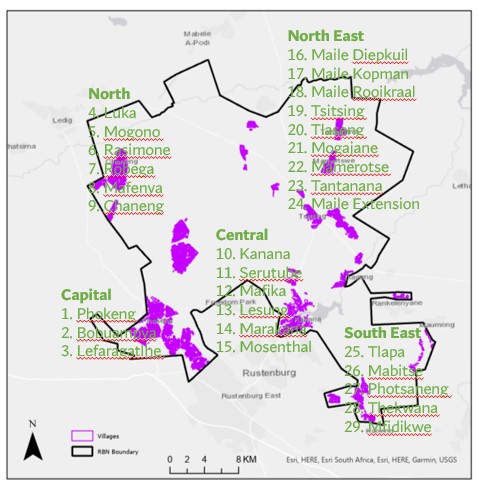
BAMMISHO – the Bafokeng Health and Demographic Surveillance Node commenced with the collection of baseline surveillance data on 02 October 2025. BAMMISHO is the South African Population Research Infrastructure Network’s (SAPRIN) seventh and newest Health and Demographic Surveillance System (HDSS). Launched on 27 November 2024, BAMMISHO is located in the Royal Bafokeng Nation (RBN) near Rustenburg, North West Province and hosted by the Aurum Institute.
BAMMISHO was the focus of the SAPRIN Population Science webinar on 26 November 2025. During the introduction to the webinar, BAMMISHO’s Nodal Director, Professor Geoffrey Setswe said that BAMMISHO was established to understand the impact of mining and migration on the health and wellbeing of people in the local communities.
|
|
|
|
|
|
| Using longitudinal population data from Health and Demographic Surveillance System (HDSS) nodes in South Africa to study household dynamics in space and time |
|
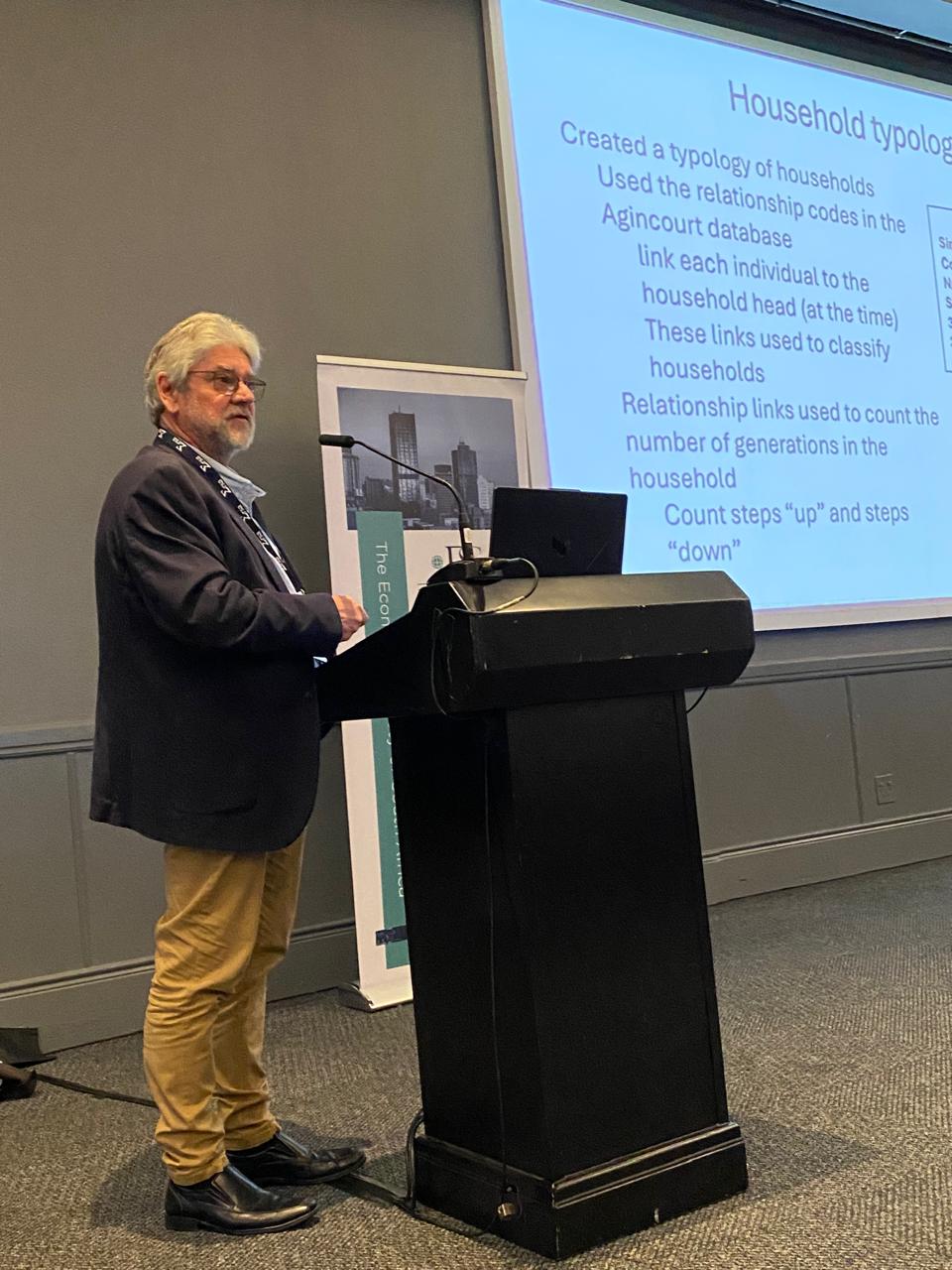
Professor Mark Collinson, of the SAMRC/Wits Rural Public Health and Health Transitions Research Unit (Agincourt), presented a paper titled, “The Study of Household Dynamics Using Health and Demographic Surveillance System Data,” at the Economic Society of South Africa (ESSA) 2025 Centenary Conference in Cape Town on 8 September 2025.
Prof Collinson explained that it is important to understand the dynamics of households in South Africa because they are a fundamental social unit that provides a foundation for health and economic wellbeing, social support, and educational attainments. He added that several social, demographic and economic forces put pressure on households and influence their dynamics.
Longitudinal data on household composition at population level are not easily found but these can be valuable in examining household dynamics. To address this deficit, Professor Martin Wittenberg from University of Cape Town’s DataFirst and Professor Mark Collinson from SAMRC/Wits Agincourt Research Unit co-led a project spanning over a decade to develop methods for analysing household dynamics using the Agincourt longitudinal HDSS data. Showing how to access these datasets, presenting what was found in the early research, and providing support for training in longitudinal analytic methods, are the main purposes of this paper.
|
|
|
|
|
|
| In Conversation with Dr Linda Maoyi |
|
In this edition of The SAPRIN Connection, we chat to Dr Molulaqhooa Linda Maoyi, Data Scientist at SAPRIN. Dr Maoyi talks about his journey from being a television weather anchor to entering the realm of data science – a career he says chose him.
Dr Maoyi obtained his first tertiary qualification, a Bachelor of Science in Computer Science, Ocean and Atmosphere Science from the University of Cape Town (UCT) in 2011. He went on to graduate with three more degrees from UCT viz; an Honours in Computer Science and a Masters and PhD in Environmental and Geographical Science.
He started his career as a TV weather anchor at eNews Channel Africa (eNCA) and went on to become a senior systems engineer at UCT. However, it was during his time at the SAS Institute as a senior technical consultant that he became exposed to the field of data and fell in love with it. The world of modelling, forecasting and using data to make future decisions resonated with him and led to Dr Maoyi applying for the Data Scientist role at SAPRIN.
|
|
|
|
|
|
| Exploring mental health among rural youth: Insights from SAPRIN data |
|
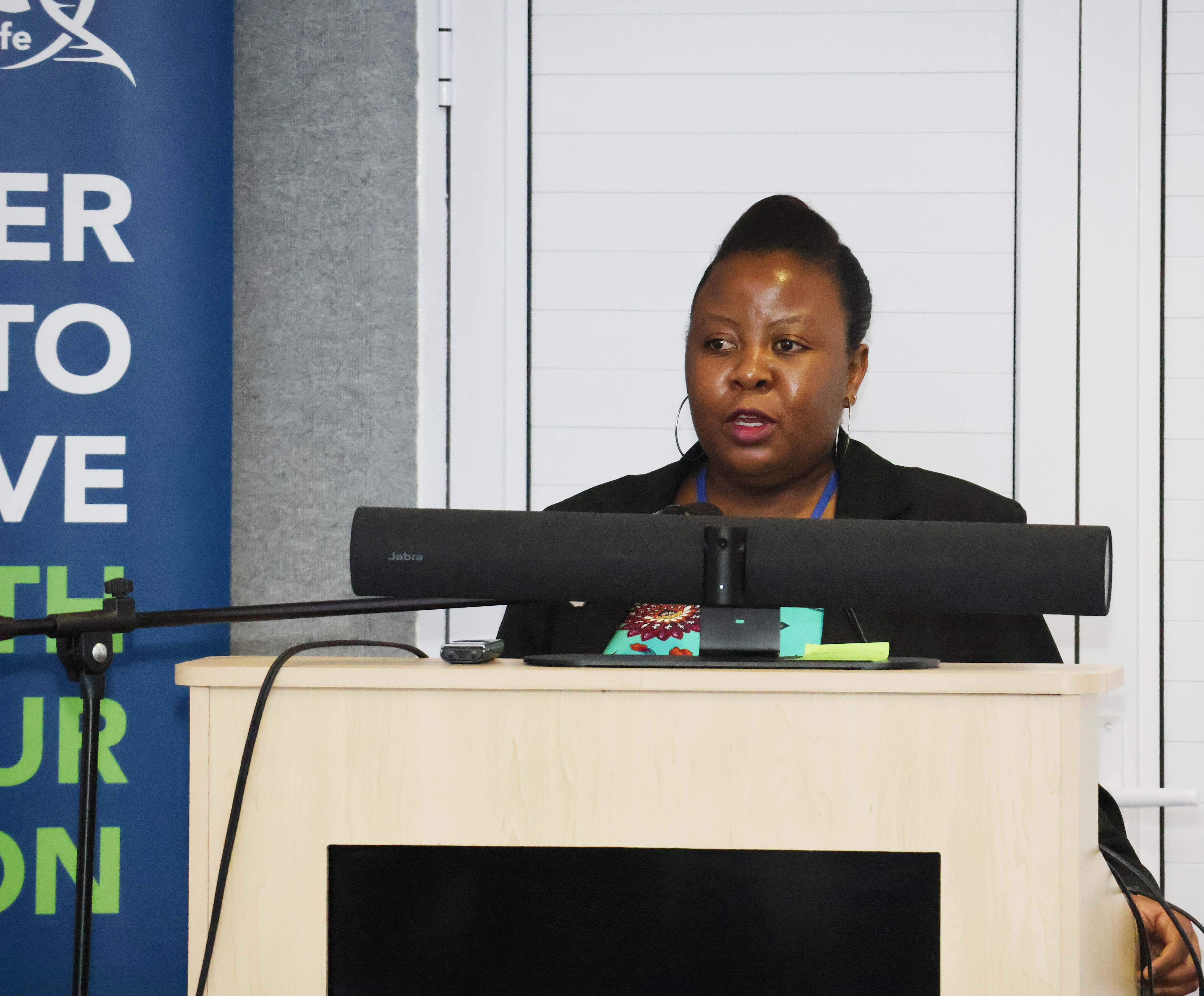
Ms Audrey Moyo is a PhD student currently studying towards a PhD in Epidemiology at the University of Stellenbosch. She shares a milestone in her research journey, a recently published paper in BMC Public Health titled: “Prevalence and correlates of common mental disorders among adolescents and young adults in rural South Africa: analysis of household survey data informed by lived experience experts.”
This study was part of the Positive Minds Study, funded under the 2022 Mental Health Data Prize by Wellcome Trust-UK in partnership with Social Finance. I served as the co-principal investigator alongside Dr Darshini Govindasamy (SAMRC-HSRU; SAMRC-WITS PRICELESS-SA), who was the senior principal investigator. Working with the Youth Health Economics team at the SAMRC (HSRU), I received training on human centred design thinking, an iterative process of working with community advisory boards, lived experience experts, fieldstaff and scientists to co-design research questions and interpret data together. That experience sparked my PhD in Epidemiology at Stellenbosch University, where I continue to explore mental health among young people using multiple datasets, with SAPRIN as the primary source, and working alongside lived experience experts and data teams. This recently published paper marks an important milestone in that journey.
|
|
|
|
|
|
| USINGA: Harnessing Data to Drive Community Health and Policy |
|
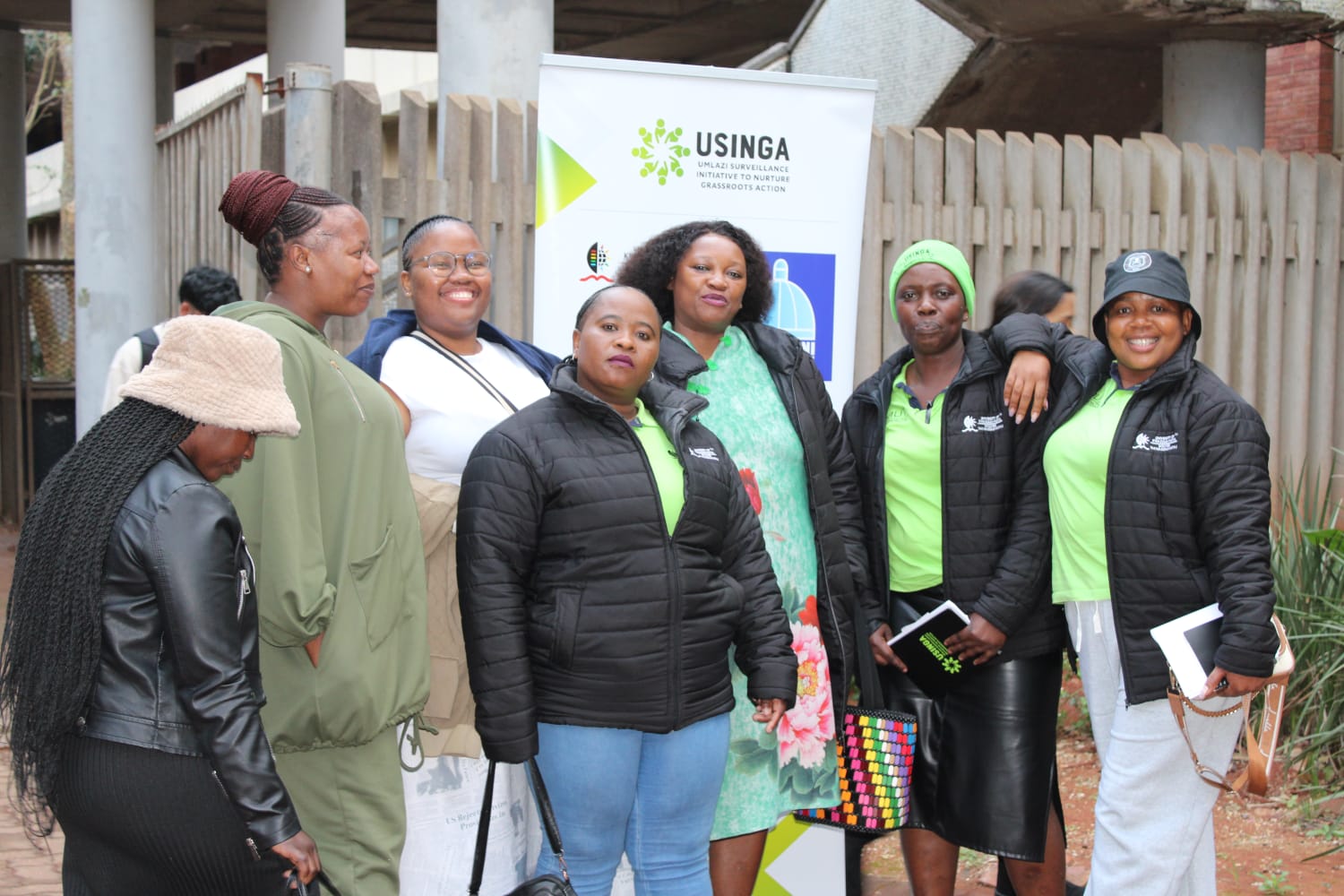
The Umlazi Surveillance Initiative to Nurture Grassroot Action (USINGA-HDSS) continues to lead in collecting vital community data and translating these insights into actionable interventions that address health and development needs in Umlazi. USINGA informs policymakers and service providers through strategic partnerships and rigorous research, ensuring evidence-based decisions that meet community needs.
In September 2025, USINGA shared its scientific work at the Population Association of Southern Africa (PASA) Conference in Pretoria. Multiple papers were presented using data collected by the USINGA HDSS and from projects embedded within, such as ARISE and ARISE-DASH, showcasing how surveillance data can drive community-centred research and action, further strengthening its role in health research and development of interventions.
|
|
|
|
|
|
| AHRI HDSS Marks 25 Years: Highlights from AHRI week 2025 |
|
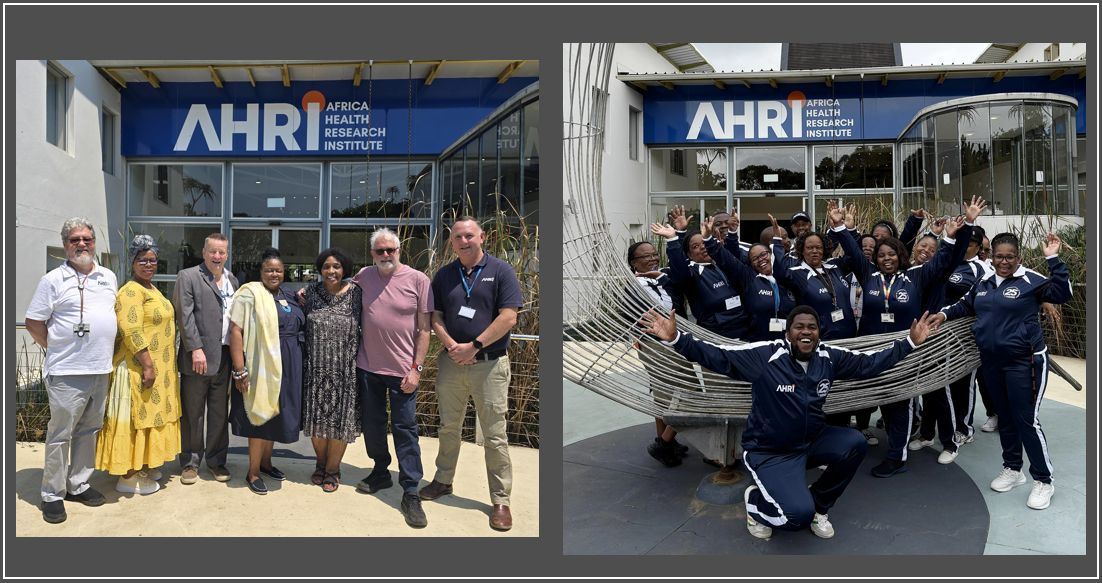
The Africa Health Research Institute (AHRI) Health and Demographic Surveillance System (HDSS) node celebrated a major milestone this year, 25 years of continuous population surveillance and impactful science. The AHRI HDSS is a founding SAPRIN node, one of seven SAPRIN nodes and one of SAPRIN’s four rural nodes.
AHRI Week 2025 was dedicated to honouring this legacy, the communities it serves, and the visionary founders and funders who shaped the platform. The week also served as a special reunion of the HDSS co-founding members, many of whom returned to reflect on its early years and evolution.
AHRI week took place from 14 – 17 October. Below are some of the events that took place.
|
|
|
|
|
|
| Advancing mental health data for young people: PAMHoYA project |
|
As mental health datasets in South Africa remain fragmented and researchers continue working in silos, a new initiative is breaking barriers. PAMHoYA (Co-development of a Mental Health Data Discovery Platform and Harmonisation of Mental Health Measures for Young People in South Africa), brings together a multidisciplinary team from the University of the Witwatersrand (Wits), South African Medical Research Council (SAMRC), Stellenbosch University, Sol Plaatje University, and University College London (UCL) under the Mental Health Data Prize Africa, funded by the African Population and Health Research Center (APHRC) in partnership with Wellcome Trust-UK.
The project aims to: (a) map and integrate available meta-data sources on depression and anxiety; (b) design an open-access, user-oriented mental health data discovery platform; (c) harmonise mental health measures using Natural Language Processing; and (d) harmonise SAPRIN and NIDS datasets as a use-case framework.
|
|
|
|
|
|
Africa's Brain Health Future Advocated for at the G20
Professor Stephen Tollman and colleagues launch a roadmap for Africa's brain health at a G20 ministerial side meeting. |
|
At the recent G20 Ministerial side meeting on Brain Health, Professor Stephen Tollman, Director of the SAMRC/Wits Rural Health Transitions Unit (Agincourt), joined African and international leaders as part of the Davos Alzheimer’s Collaborative (DAC) Africa Task Force to launch the continent's first Five-Year Brain Health Action Plan.
Strengthening brain health is not a standalone goal but part of a wider movement to ensure that the continent’s demographic dividend translates into sustained innovation and wellbeing.
The roadmap reframes brain health as a social and economic investment rather than a purely medical concern, recognising that cognitive health underpins productivity, creativity, and innovation.
|
|
|
|
|
|
| UJ GRT-I Gender-Based Violence Workshop |
|
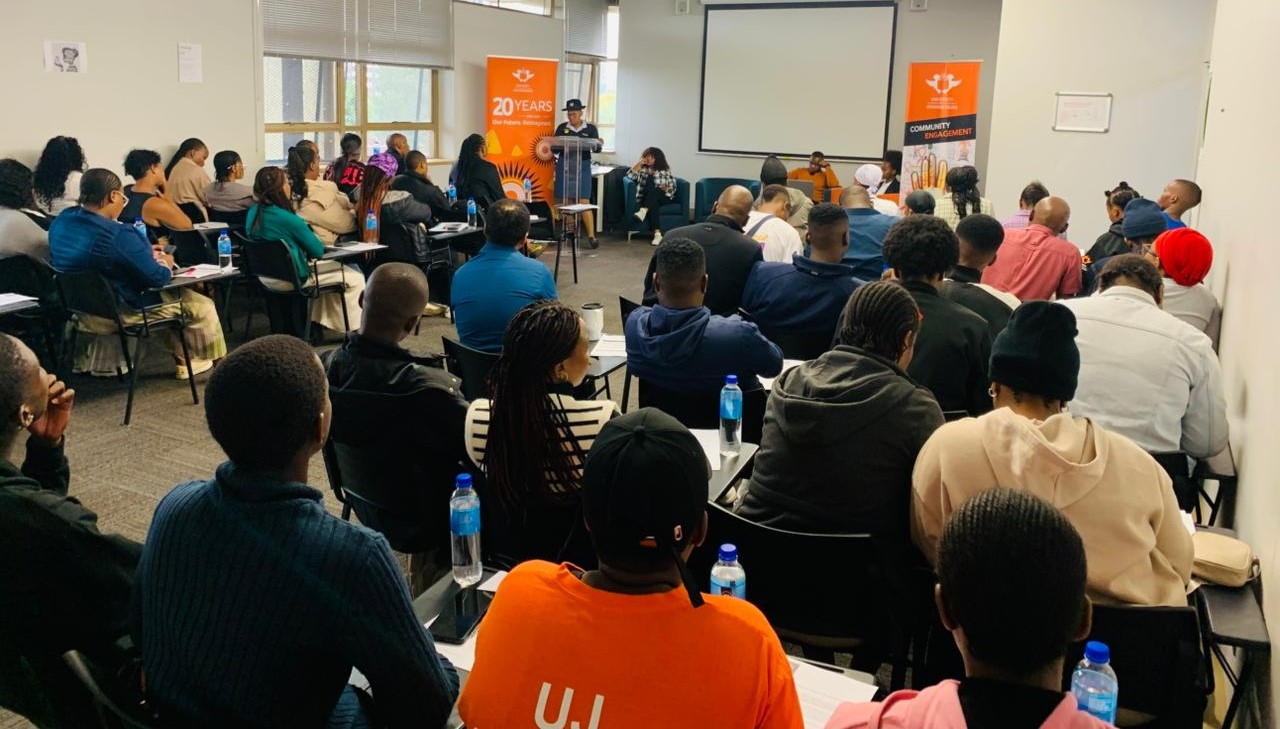
The University of Johannesburg’s (UJ) Community Engagement Unit hosted a Gender-Based Violence (GBV) Workshop aimed at raising awareness, building capacity, and empowering the UJ community and external partners to recognise, prevent, and respond effectively to GBV. The workshop took place on 14 November at the UJ Bunting Road Campus.
As part of UJ GRT-INSPIRED'S commitment to sustainable community engagement, GRT-I extended the invitation to its partner schools in Hillbrow, resulting in two teachers attending as representatives.
The objectives were to strengthen partnerships with schools and community stakeholders, deepen their understanding of GBV dynamics affecting the communities they serve, equip educators and partners with knowledge and support resources and explore collaborative opportunities that promote safer environments for youth
|
|
|
|
|
|
| £10 Million Investment in Health Research Towards Empowering African Genomic Discovery |
|
On 24 November, the Science for Africa Foundation (SFA Foundation), the African Population Cohorts Consortium (APCC), and the African Bioinformatics Institute (ABI) announced the launch of a landmark £10 million investment to establish Project Genomics-led Impact on African Population Health (GEN-IMPACT), a pioneering, Africa-led initiative designed to advance health through genomic discovery.
This five-year investment is expected to catalyse a proof-of-concept platform that demonstrates the scientific, health, and equity value of African genomics. GEN-IMPACT aims to address the glaring human genomic data gap in Africa and harness the continent’s unparalleled genetic diversity to improve health outcomes.
According to Dr Evelyn Gitau, Chief Scientific Officer at the SFA Foundation, “With GEN-IMPACT, we are catalysing a truly Africa-led genomics platform that will amplify African voices, data, and institutions in discovery science and health equity. For too long, the continent’s genetic richness has been invisible in global datasets, yet it holds the key to unlocking new insights for humanity.”
|
|
|
|
|
|
| Tackling Heat in Umlazi - Exploring community perceptions of climate change, heat stress and passive cooling |
|
USINGA is committed to conducting intervention projects that address socio-economic challenges identified in their research, translating insights into action and driving real change within the community.
In line with this vision, and in partnership with ARISE and C-EARTH, funded by the Harvard School of Public Health, USINGA conducted a pilot Heat Stress Study in Umlazi. This pilot project examined the effects of extreme heat on nutrition and health, and evaluated community perspectives on passive cooling solutions, including cool roofs. The cool roof assessment was primarily aimed at gathering understanding, preferences, and insights from the community, rather than full-scale testing, due to funding constraints.
|
|
|
|
|
|
| Annual SAPRIN conference convened in Cape Town |
|
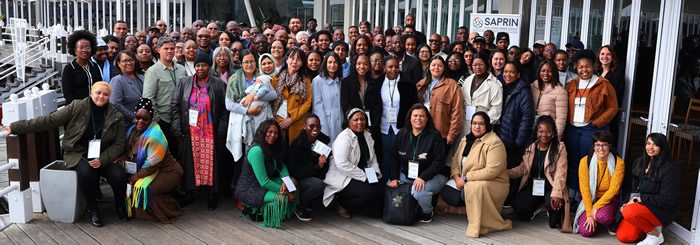
The Annual South African Population Research Infrastructure Network (SAPRIN) conference took place in Gordon’s Bay, Cape Town from 21 – 23 July 2025. The overarching conference theme was, “Advancing Health and Social Wellbeing through Population Science.”
It was the first time the conference was open to all interested researchers, scientists and stakeholders. Approximately 120 delegates were in attendance. A diverse and comprehensive programme was delivered.
The conference was officially opened by Dr Keith Cloete, Head of Department at the Western Cape Department of Health and Wellness. The science plenary was opened by Professor Liesl Zühlke, Vice President of Extramural Research & Internal Portfolio at the South African Medical Research Council (SAMRC).
|
|
|
|
|
|
| SAPRIN Participates in Generation Science Programme for Learners |
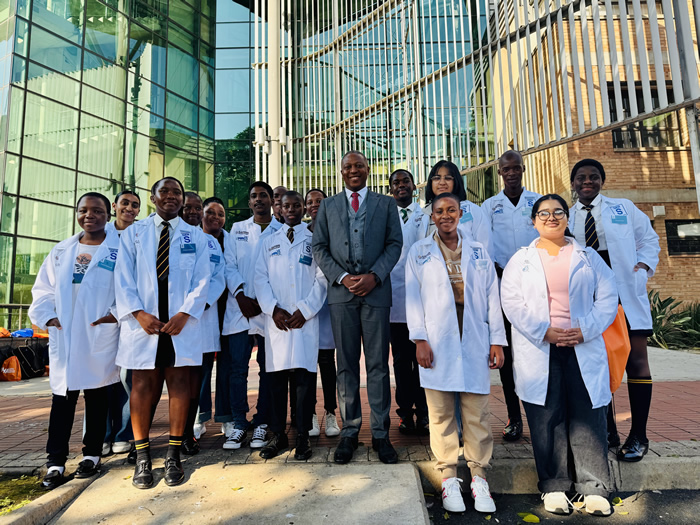
The South African Medical Research Council’s (SAMRC) Generation Science (Gen S) Programme, Durban edition took place from 9 to 11 July. The Programme is aimed at showcasing the careers available at the SAMRC to learners and allowing them to gain first- hand practical experience.
The South African Population Research Infrastructure Network (SAPRIN) played a key role in coordinating the Durban programme. A relevant, impactful and robust programme was crafted incorporating various units within the SAMRC.
Approximately 17 learners from Umlazi, Phoenix as well as SAMRC staff member’s children participated in the programme. SAPRIN and the HIV and other Infectious Diseases Research Unit (HIDRU) conduct research in the Umlazi and Phoenix communities, respectively.
|
|
|
|
|
|
| Gender Desk and DIMAMO PHRC take a stand against Gender-Based Violence in Makotopong |
|
Through its Gender Desk and the DIMAMO Population Health Research Centre (PHRC), University of Limpopo collaborated with Makotopong Traditional Leaders to host an informative gender-based violence (GBV) and femicide Community Outreach Programme aimed at breaking cycles of silence, fear, and pain. The outreach event took place on 22 August.
In a society still haunted by the scars of gender-based violence (GBV) and femicide, the University of Limpopo (UL) has reaffirmed its commitment to combating this issue.
Under the theme “Breaking the Cycle, Building Safety, Our Responsibility: Know Your Rights, Support Survivors, and Challenge Harmful Norms”, the event united traditional leaders, the South African Police Service (SAPS), faith-based organisations, traditional health practitioners, survivors, and community members.
|
|
|
|
|
|
|
|